

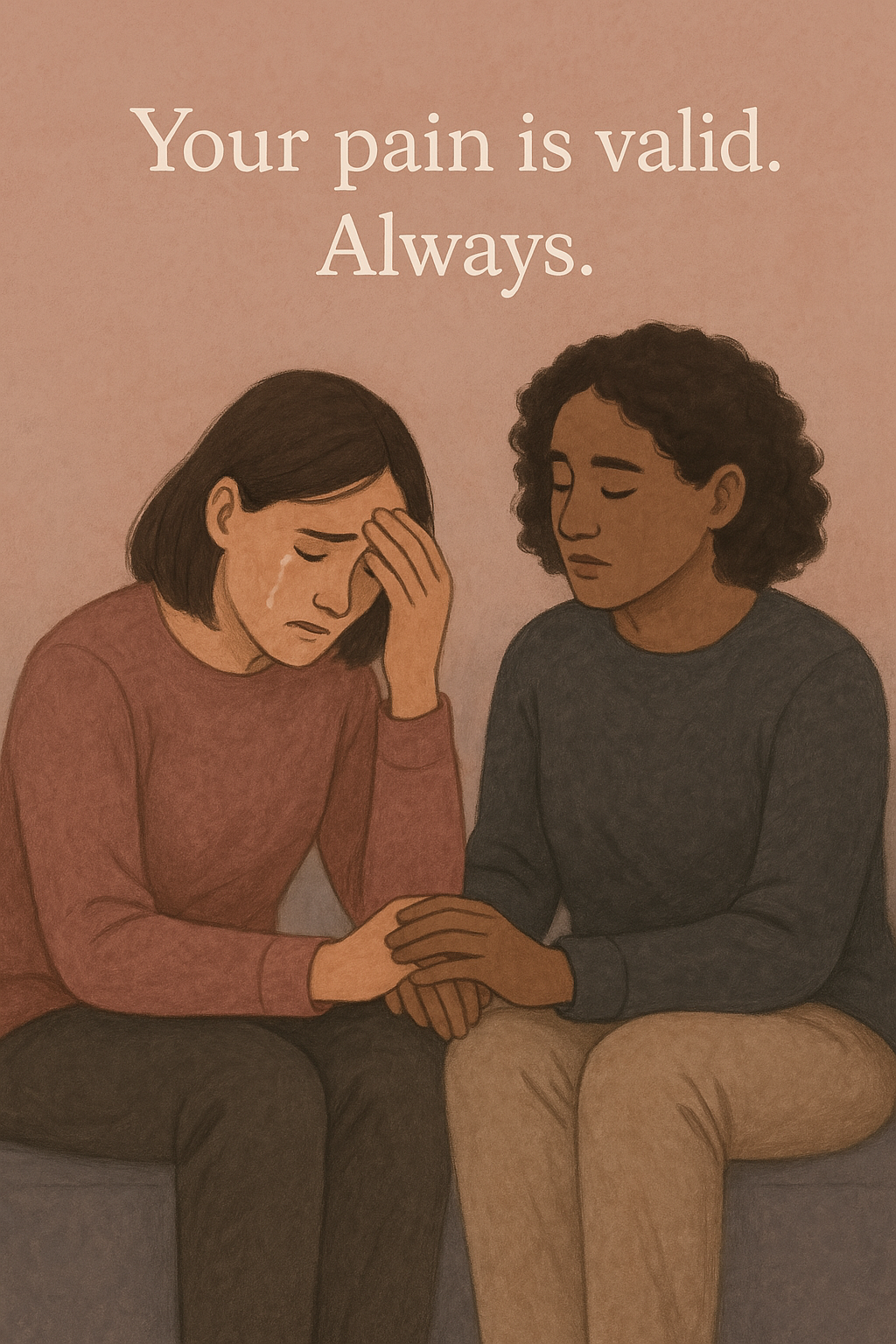
A prevalent and harmful myth in our culture is the belief that only the most severe traumas warrant recognition. Many individuals believe that by saying, “others are in a worse situation than you,” they are helping those in need overcome their struggles, as if the suffering individuals are not already aware of this reality. Most people in distress understand that “while their troubles may be significant, there is always someone facing greater difficulties,” and pointing this out does nothing to alleviate their pain. Instead, this dismissal of their suffering only leads to further feelings of guilt and frustration about their perceived weakness. Trauma is not a competition, nor is the path to healing exclusive to those who have endured the most hardship. Each person experiences similar events differently. I came across a post on Instagram that stated:
“Someone who drowns in 7 feet of water is just as deceased as someone who drowns in 20.”
This serves as a reminder for everyone to stop making trauma comparisons and focus on recovery, empathy, and support for ourselves and those around us.
When you express, “others have it worse,” what you seem to imply is, “your pain isn’t significant.”
This way of thinking can:
- Hinder individuals from reaching out for assistance.
- Heighten feelings of guilt or embarrassment.
- Diminish their journey toward mental wellness.
No two individuals respond to events in identical ways. A breakup, loss of employment, or a problematic upbringing can all leave emotional wounds, and all past experiences can affect how individuals perceive pain.
Diminishing your feelings with statements like:
- “It wasn’t such a big deal.”
- “I should be over this by now.”
- “Others have faced tougher situations.”
It only intensifies the pain. Emotional distress doesn’t require comparison. If it disrupts your peace, it is valid. And it deserves recognition.
Every Individual’s Trauma Is Significant Because-
- Your mind does not assess pain through comparison. It reacts to your interpretation and emotional reaction.
- Support is an abundant resource. Just because someone else is struggling does not mean you are unworthy of care as well.
- Healing starts with self-kindness. Validating your feelings lays the groundwork for recovery.
To foster a more nurturing and healthy community, let’s pledge to:
- Listen without passing judgment.
- Create space for the experiences of others.
- Reinforce that no hardship is “too minor” to discuss.
Seeking Help Is a Mark of Strength
Therapy is not only for times of crisis. It is available for anyone eager to learn, heal, and evolve. If you’ve been convincing yourself that “my situation isn’t bad enough to warrant therapy,” consider this your reminder: “it is”. You have the right to pursue peace, regardless of your past experiences.
You don’t need to be “falling apart” to be worthy of support. There’s no necessity to compare your pain to that of others to justify your journey to healing. If it hurts, it deserves attention.
Let us refrain from ranking trauma. Let’s embark on the path to healing—together.
Leave a Reply